About
Who We Are
JSA/MIXdesign is a human-centered, full-service architectural design studio that looks at accessibility beyond code compliance.
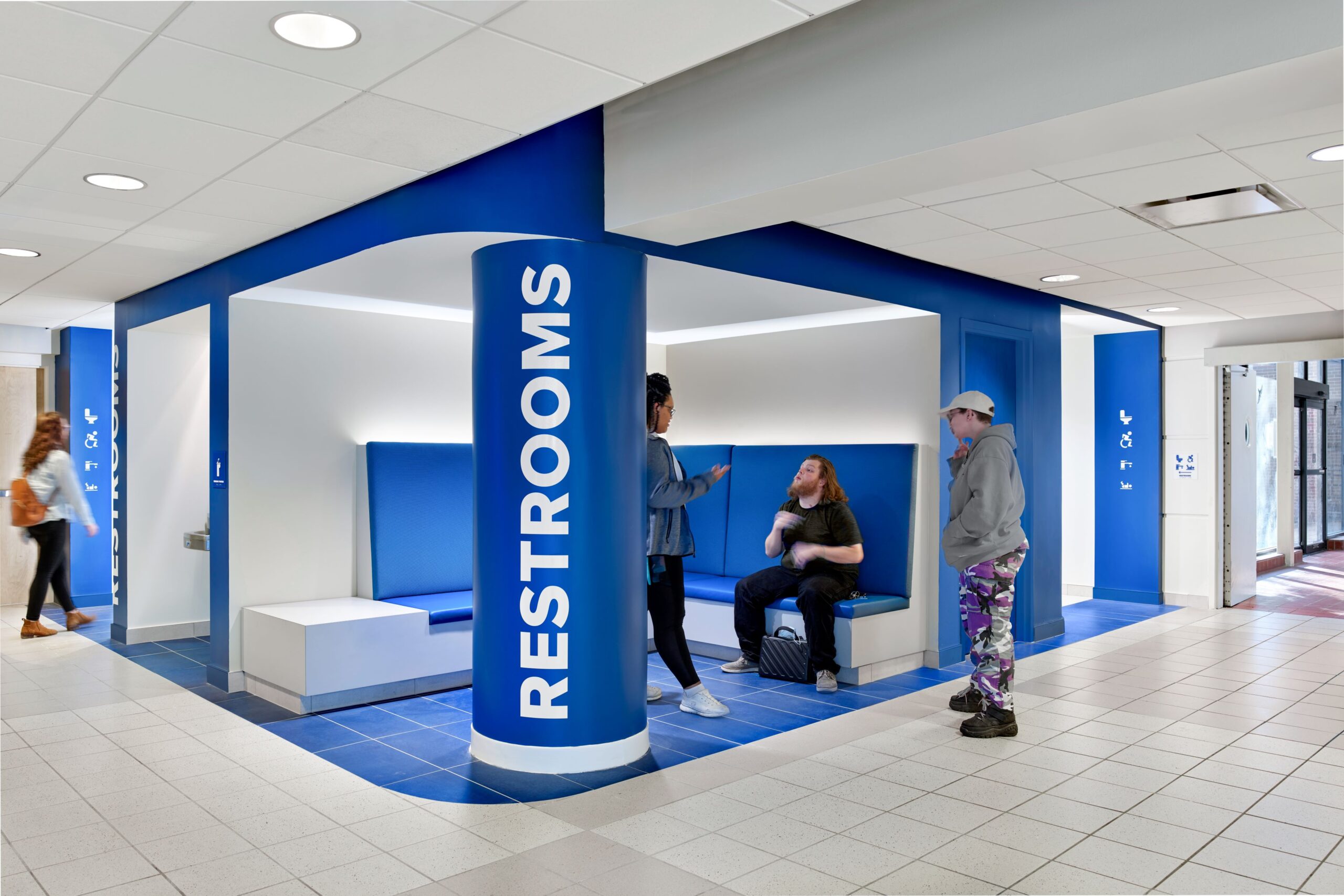
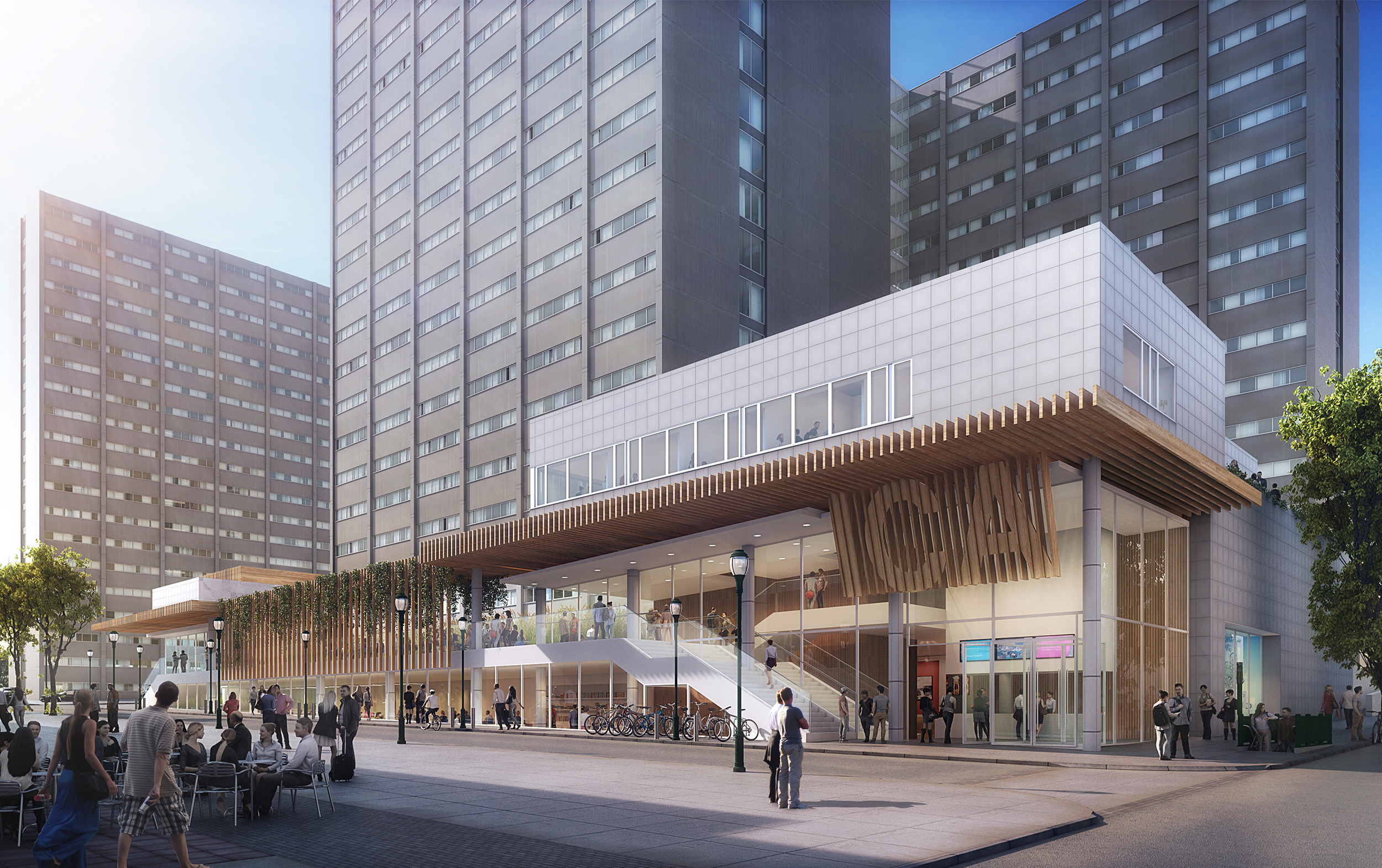
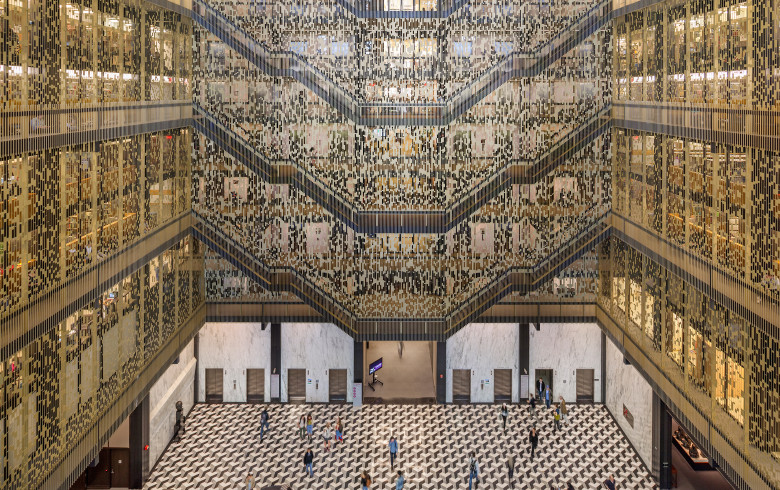
We work with institutional clients to develop design recommendations, prototypes, and guidelines aimed at making public spaces and everyday building types— including restrooms, art museums, and university campuses—foster a sense of safety, well-being, and belonging for all. What sets us apart is our dual expertise in both access evaluation and award-winning design execution, enabling us to assess environments and translate inclusive principles into compelling spatial solutions.
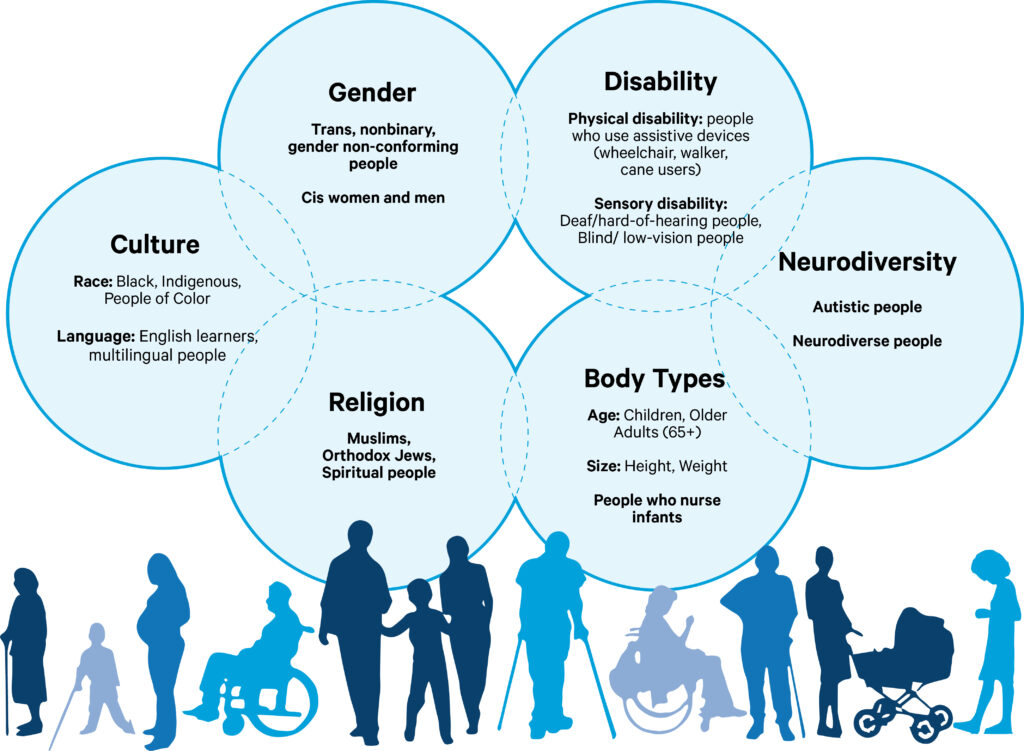
Our firm differs from most accessibility consultants in two key ways. First, while access standards like the ADA focus primarily on mobility (e.g., wheelchair users) and, to a limited extent, sensory needs, we address the intersecting requirements of a broader range of users often overlooked by existing codes. This includes people who are blind or have low vision, deaf or hard of hearing, as well as individuals whose access needs are shaped by gender identity, neurodiversity, religion, age, culture, and language. Second, unlike most consultants who conduct audits and hand off recommendations to others, we offer an integrated approach—working as Executive Architect or collaboratively within project teams to implement our inclusive strategies from concept to construction.
Principles
Intersecting Needs – Unlike most accessibility standards in the U.S., which focus primarily on people with physical disabilities, we consider the overlapping needs of a broader population. This includes disability (physical and sensory), neurodivergence (autistic individuals, people with ADHD or sensory processing differences, and those with learning differences), gender (parents and caregivers attending to someone of a different gender, pregnant people, men with shy bladder syndrome, and trans/non-binary people), and culture (spatial requirements shaped by language, religion, and ethnicity).
Accessibility Beyond Code Compliance – Our goal is to move beyond code compliance by creating spaces that enable the greatest number of people—individuals, friends, families, and caregivers—to share public environments while also accommodating those with unique functional, religious, or privacy needs. Hence, our name: MIXdesign.
Engagement – “Nothing About Us, Without Us.” Human-centered design depends on the active participation of users, whose lived experience provides invaluable insights. In collaboration with public health clinicians, we have developed engagement tools— surveys, interviews, and workshops—that generate meaningful feedback to inform the design process.
Belonging, Health and Well-being – Research shows that the designed environment has a direct and measurable impact on physical and mental health. For this reason, over the past 10 years we have been collaborating with students and faculty from Yale Public Health, which allows us to make evidence-based recommendations that consider social justice belonging, health, and well-being as mutually reinforcing goals.
Design Innovation for All – Human-Centered Design can be a catalyst for creativity. People with different physical and sensory abilities, as well as people from different cultural, ethnic, and religious communities who engage with the built environment using different faculties, senses, and customs provide valuable insights that spark design innovation that benefits everyone.
Studio Organization: Design Labs
JSA/MIXdesign is comprised of three Design Labs, each led by a Partner and dedicated to inclusive design through the lenses of Gender, Autism & Neurodiversity, and Sensory experience.
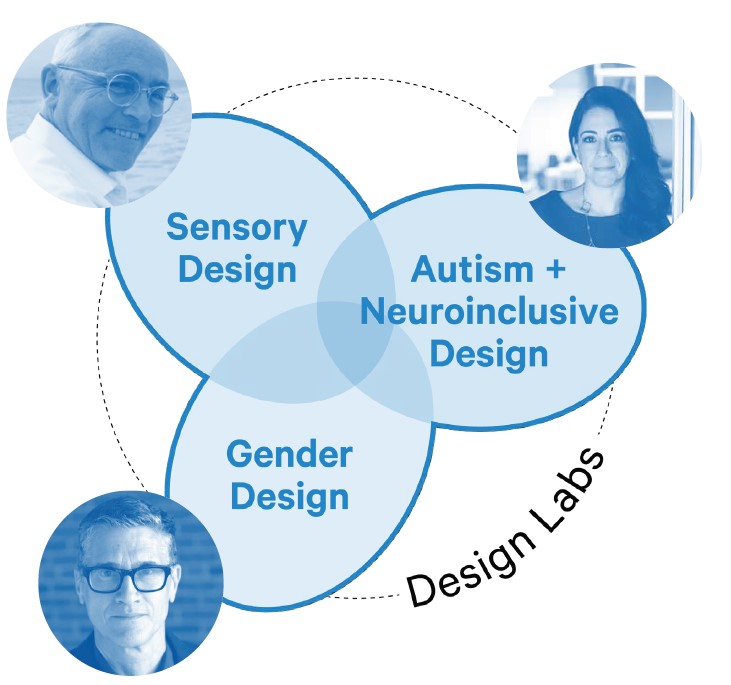
Each Lab – Gender (Joel Sanders), Autism & Neurodiversity (Magda Mostafa) and Sensory (Hansel Bauman) – centers lived experience, enabling us to collaborate on projects that foreground the lived experience of a specific demographic community, while also working across multiple identities. Our agile structure allows us to deliver comprehensive design guidance, that as much as possible allows for individuals, friends, families and caregivers to have an equal experience while meeting the specific needs of certain user groups.
As a collective, we ask, “How can designing with an understanding of multiple perspectives honor individual experiences while creating better environments for everyone?”
- Sensory Design Lab
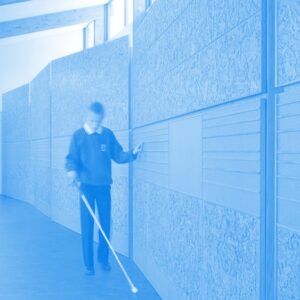
The Sensory Lab transforms the way we design for people with sensory disabilities—deaf, blind, low vision, or deaf-blind—whose everyday strategies for moving through space are too often overlooked. Standard buildings make wayfinding and non-visual or non-auditory communication difficult, but we take a different approach: learning from users themselves. Blind people who echolocate through sound and deaf people who sense activity through vibrations and shadows are two examples that inspired our toolkit of inclusive design strategies.
The Lab is led by Hansel Bauman, co-creator of the DeafSpace Design Guidelines. With nearly two decades of groundbreaking work, Bauman has pioneered sensory-inclusive design in schools, universities, and civic projects worldwide—proving that when spaces work better for people with sensory disabilities, they work better for everyone.
- Gender Design Lab
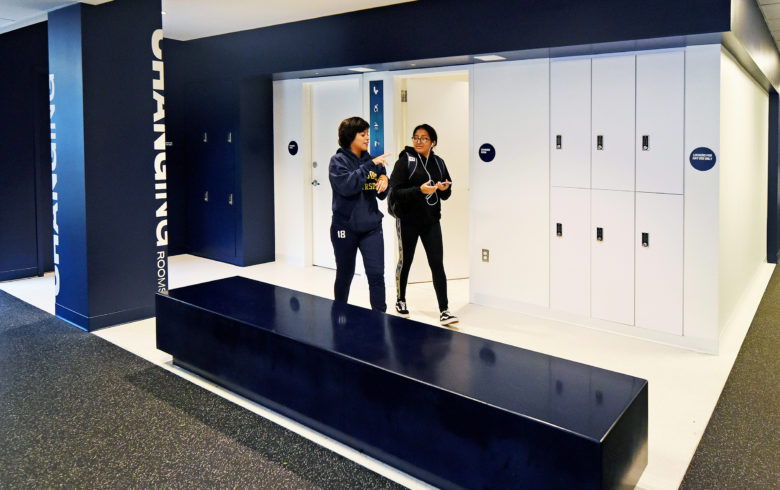
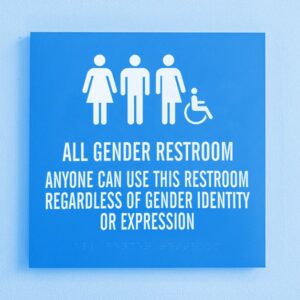
The Gender Lab challenges how buildings implicitly enforce ideas about sex and gender. Spaces like restrooms, locker rooms, and dormitories often exclude non-binary people, caregivers, and women still waiting in unequal lines. The iconography and art found on building facades and interiors often reinforce social hierarchies that decide who feels welcome. We break down these barriers with design solutions that empower choice.
The Lab is led by Joel Sanders, Professor at Yale and author of Stud: Architectures of Masculinity. For over 30 years, Sanders has redefined the relationship between gender and space, making institutions more inclusive, equitable, and responsive to diverse communities.
- Autism + Neuroinclusive Design Lab
The Neurodiversity Lab creates spaces for the 15–20% of people worldwide who are neurodivergent, including those on the autism spectrum or with ADD and ADHD. Too many buildings overwhelm users with glaring glass walls, noisy and confusing open plans, or echoing stone, concrete floors, and sheetrock walls—environments that heighten anxiety, impair focus, and diminish productivity. We change that by applying the Autism ASPECTSS® Design Index, a research-driven framework that balances sensory input and provides structure, predictability, and calm. Our designs give users a mix of openness and refuge, reducing overstimulation and improving accessibility, engagement, and social inclusion in schools, museums, healthcare facilities, and workplaces.
The Lab is led by Magda Mostafa, author of the Autism ASPECTSS® Design Index and winner of the inaugural UIA Research Award. Her work has influenced projects across five continents, demonstrating how neuro-inclusive design enhances productivity, well-being, and belonging for everyone.
Recognition
We disseminate our cross-disciplinary research through books (STUD: Architectures of Masculinity, Joel Sanders Writings and Projects, and Groundwork: Between Landscape and Architecture) and essays (Notes from the Museum Bench, Curtain Wars, Inside Freud’s Office, and The Future of Cross Disciplinary Practice) that explore how architecture, interiors, and landscape shape the way diverse human bodies interact in public and private space.
Over the years we have published texts in a variety of formats intended to reach different audiences, ranging from the academy to the general public. Our projects regularly appear in design publications including Architectural Record, Interior Design, Architectural Digest and PINUP, as well as in the popular press, including New York Magazine, the New York Times, Scientific American and the Atlantic.
Our projects have been featured in international exhibitions including “Designing Peace” at the Cooper Hewitt Smithsonian Design Museum, “Your Restroom is a Battleground” at the Venice Biennale, “Open House Intelligent Living By Design” at the Vitra Design Museum, “XIV Biennial de Quito”, and “Un-Private House” at MoMA. Our work belongs to the permanent collections of MoMA, SFMoMA, Art Institute of Chicago, Carnegie Museum of Art, and Yale University Archives.
Our work has received numerous awards, including six New York Chapter AIA Design Awards, three New York State AIA Design Awards, three Interior Design Best of Year Awards, and two ALA / IIDA Library Interior Design Awards.
We share our research, raise awareness, and advocate for Inclusive Design by giving lectures and participating in conferences, at international institutions like Yale University, Carnegie Mellon University, Norway’s National Museum of Art, the UIA World Congress of Architects, the Oslo Architecture Triennale, and the ESO Interior Design & Architecture Conference.
JSA/MIXdesign is licensed to practice architecture in NY, NJ, CT, and PA, is a minority-owned architectural studio certified by the NGLCC as an LGBT Business Enterprise.