Residential
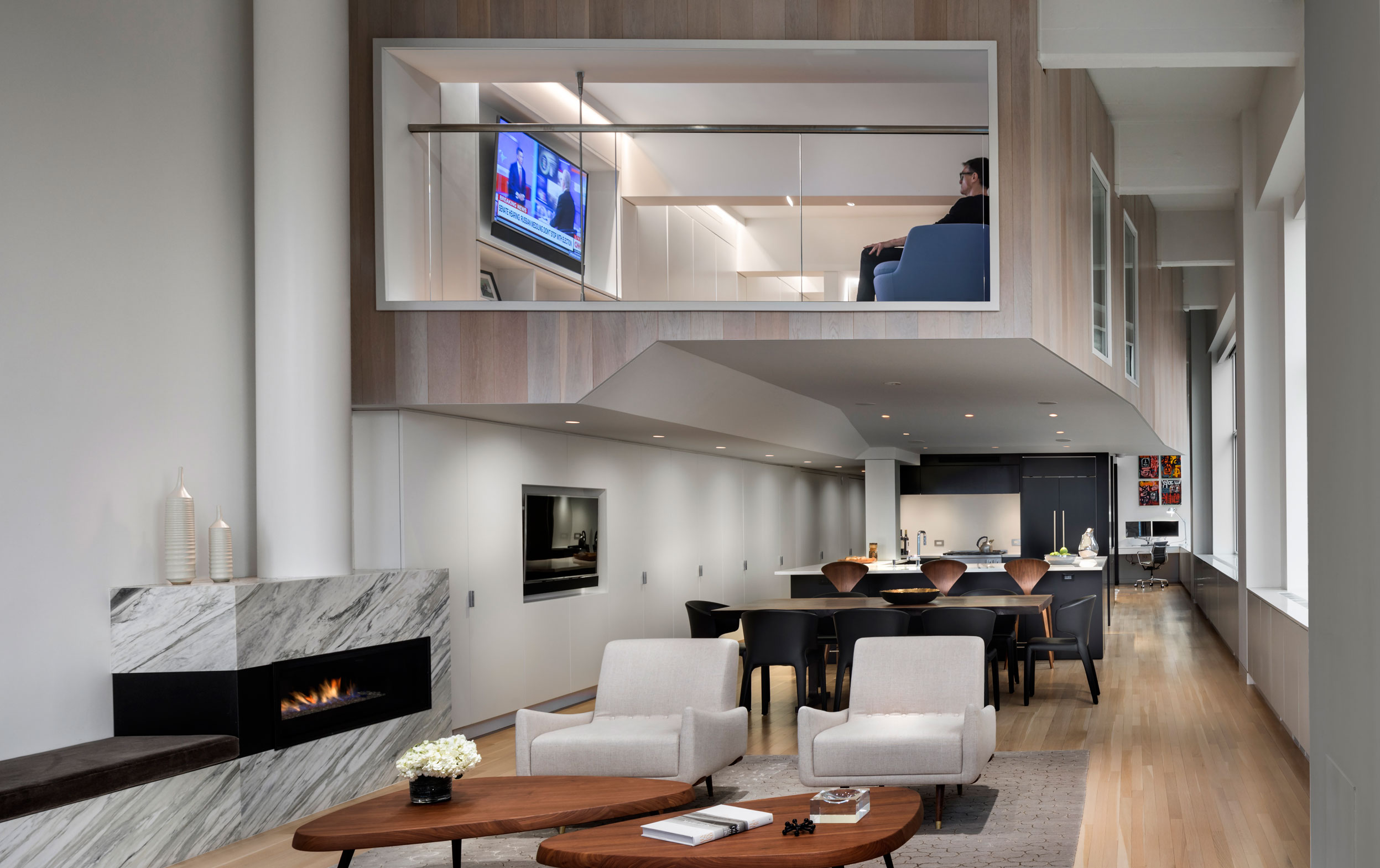
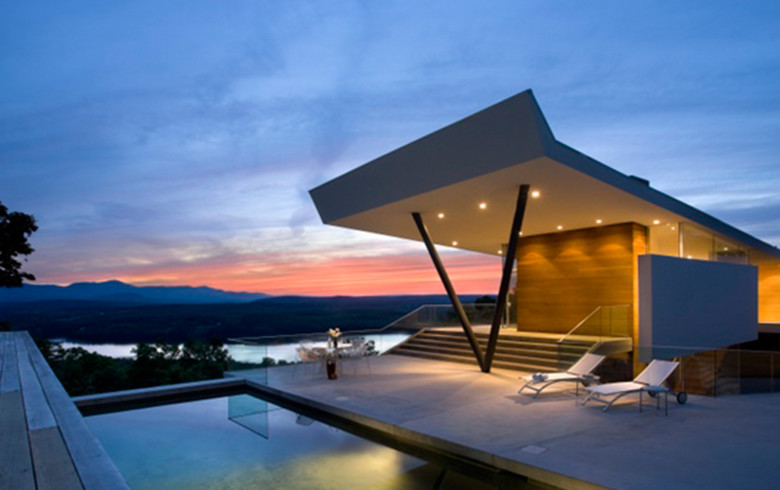
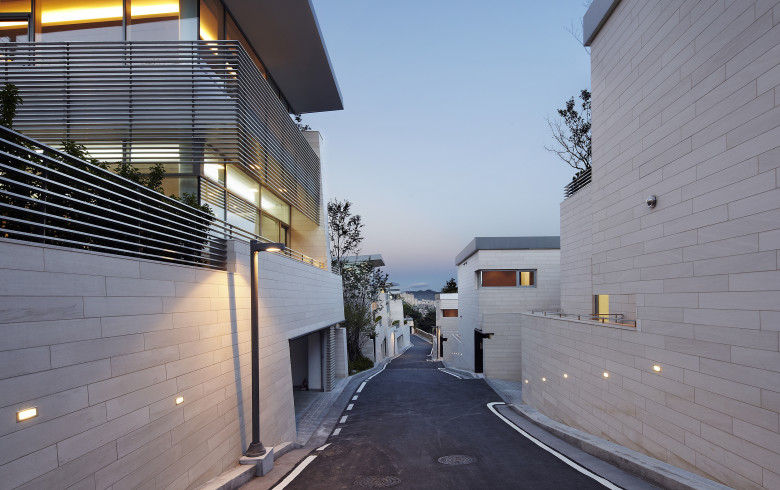
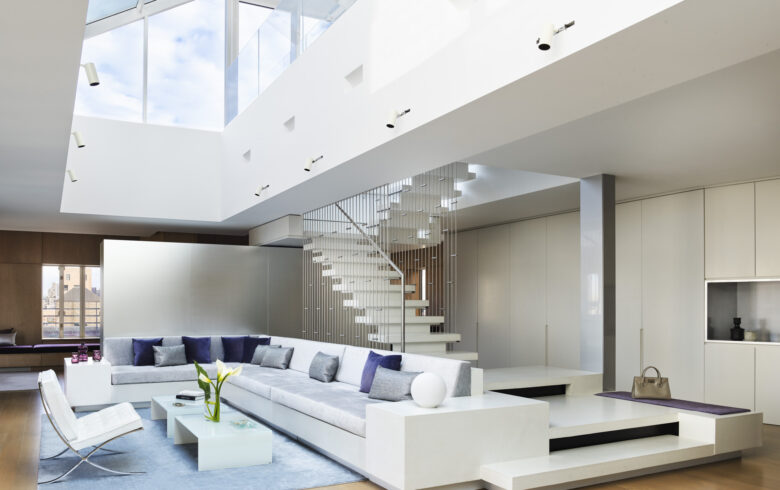
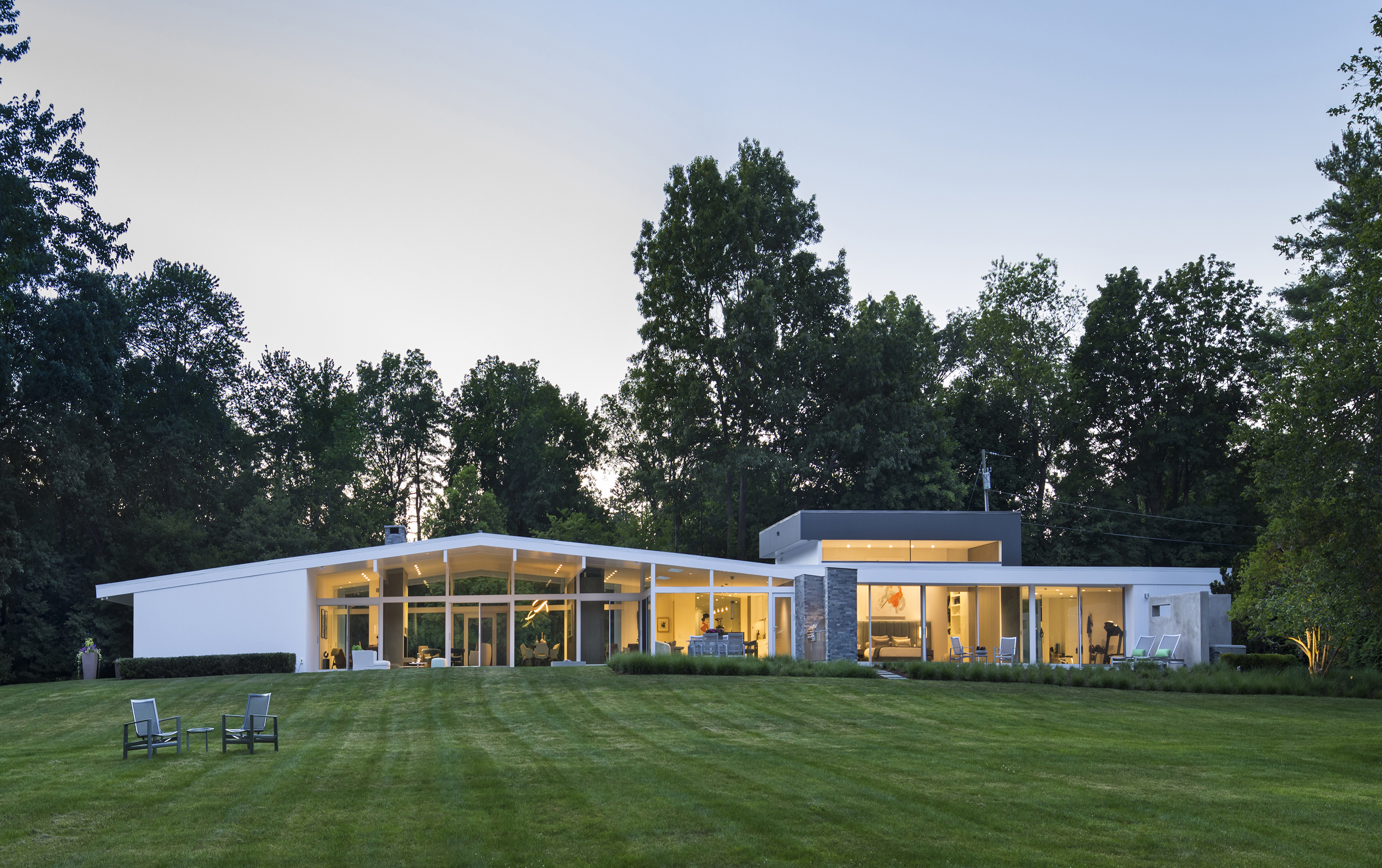
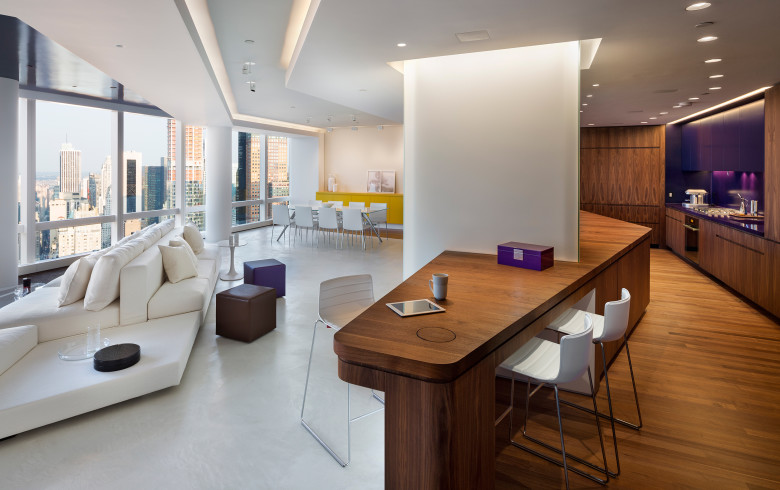
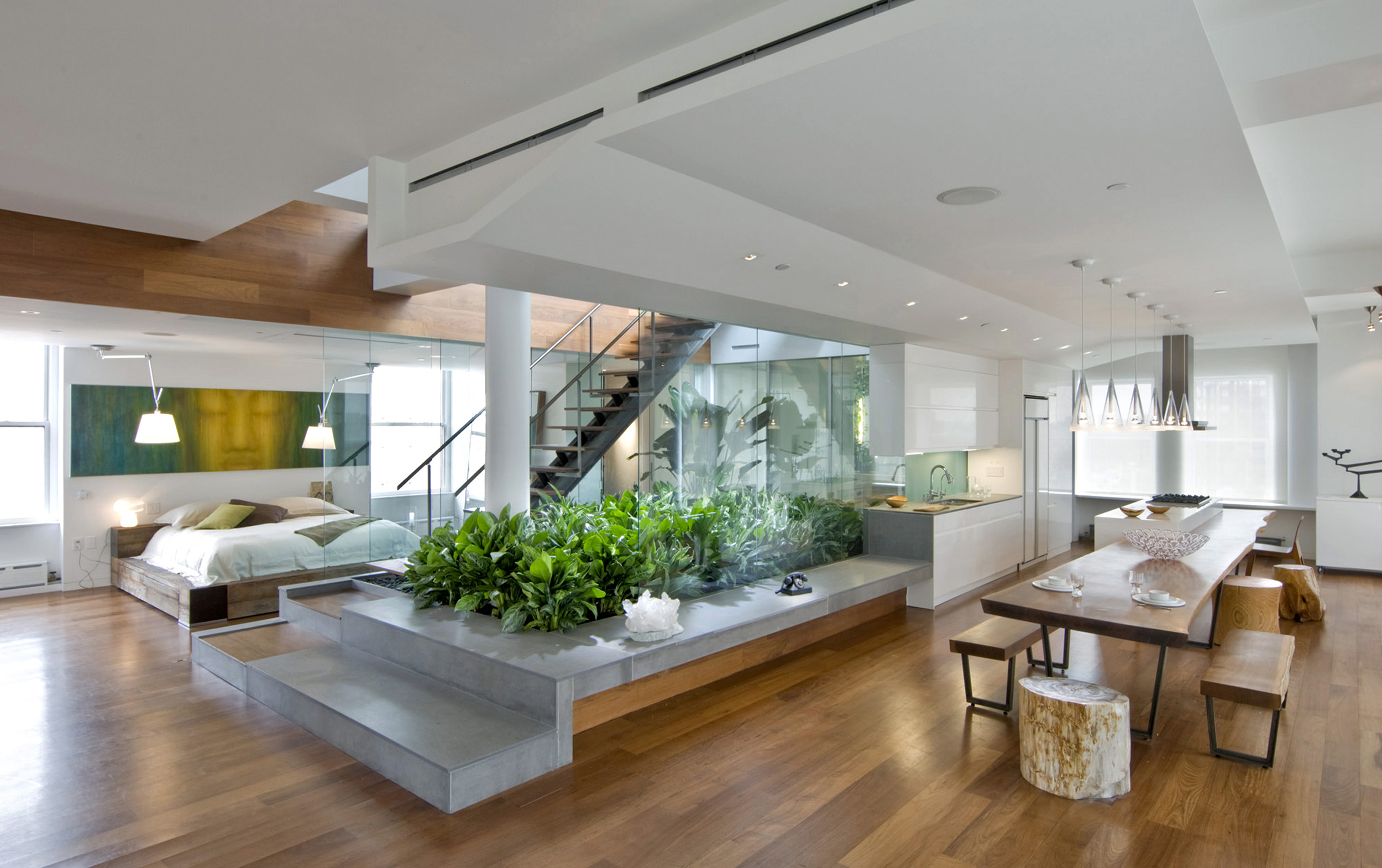
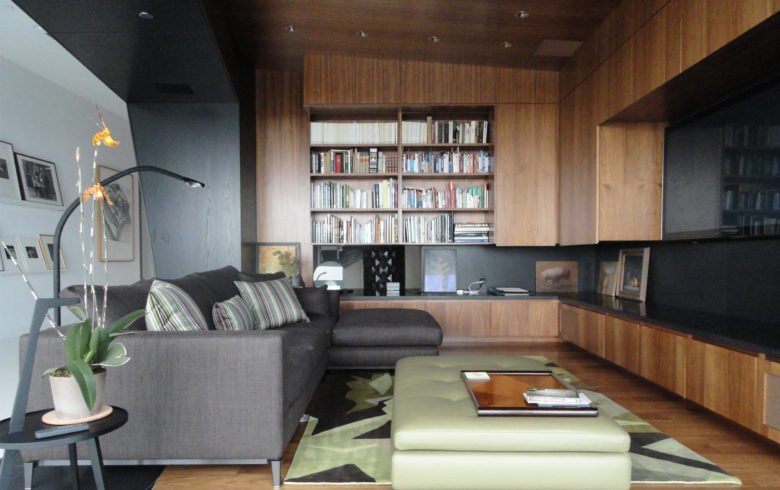
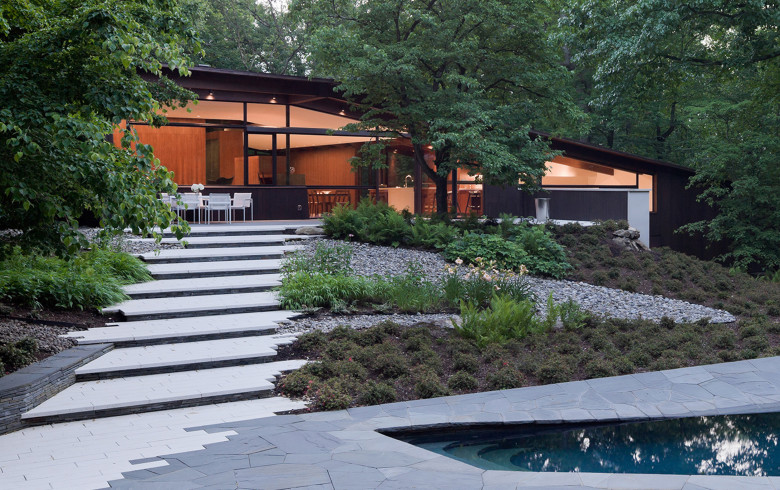
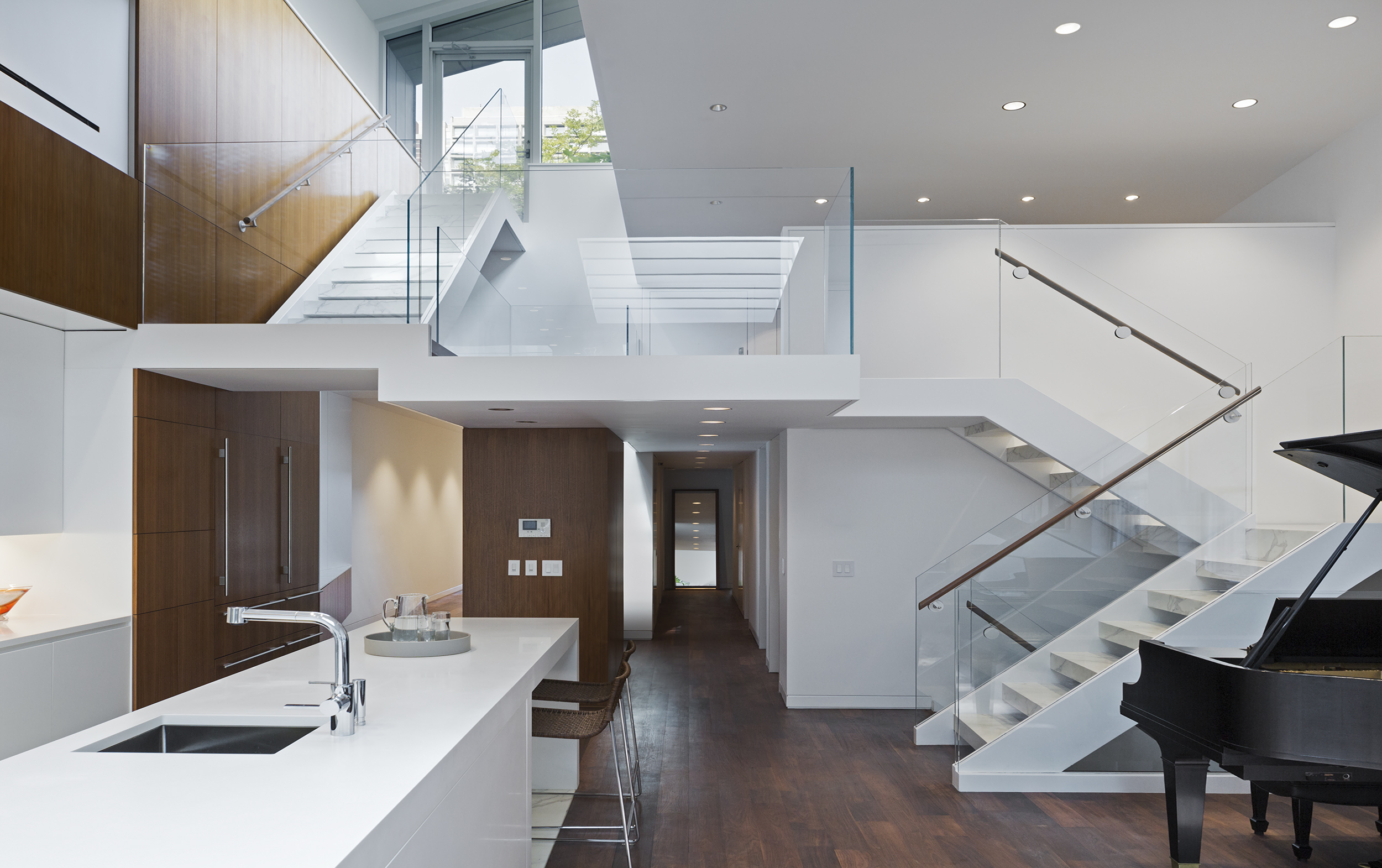
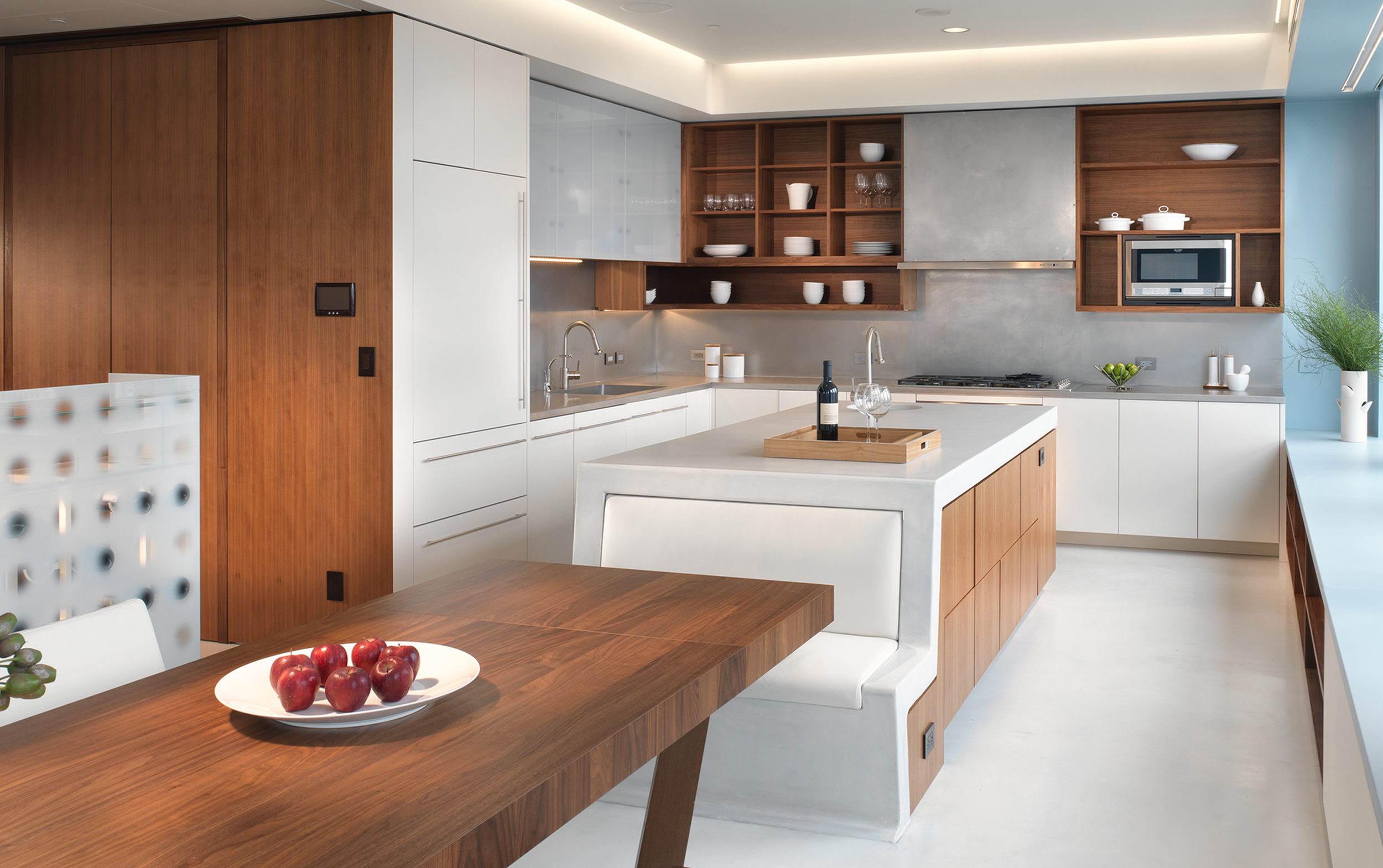
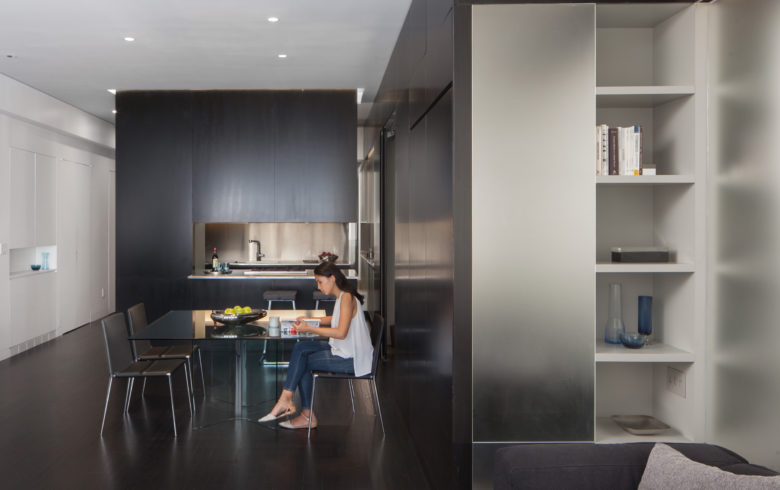
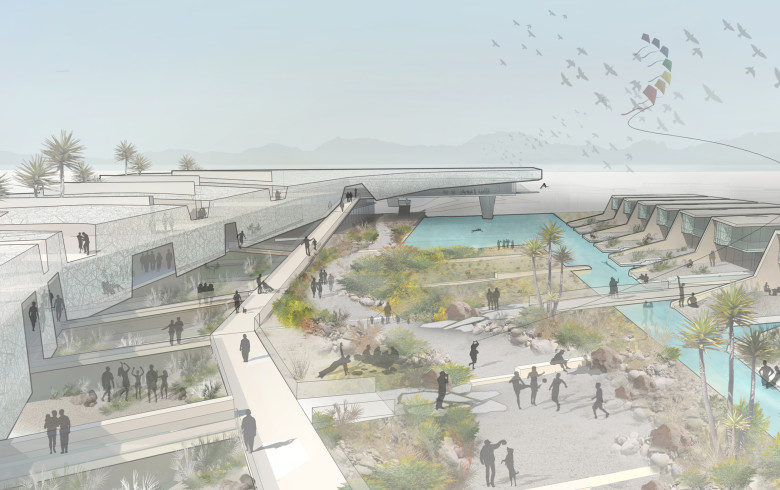
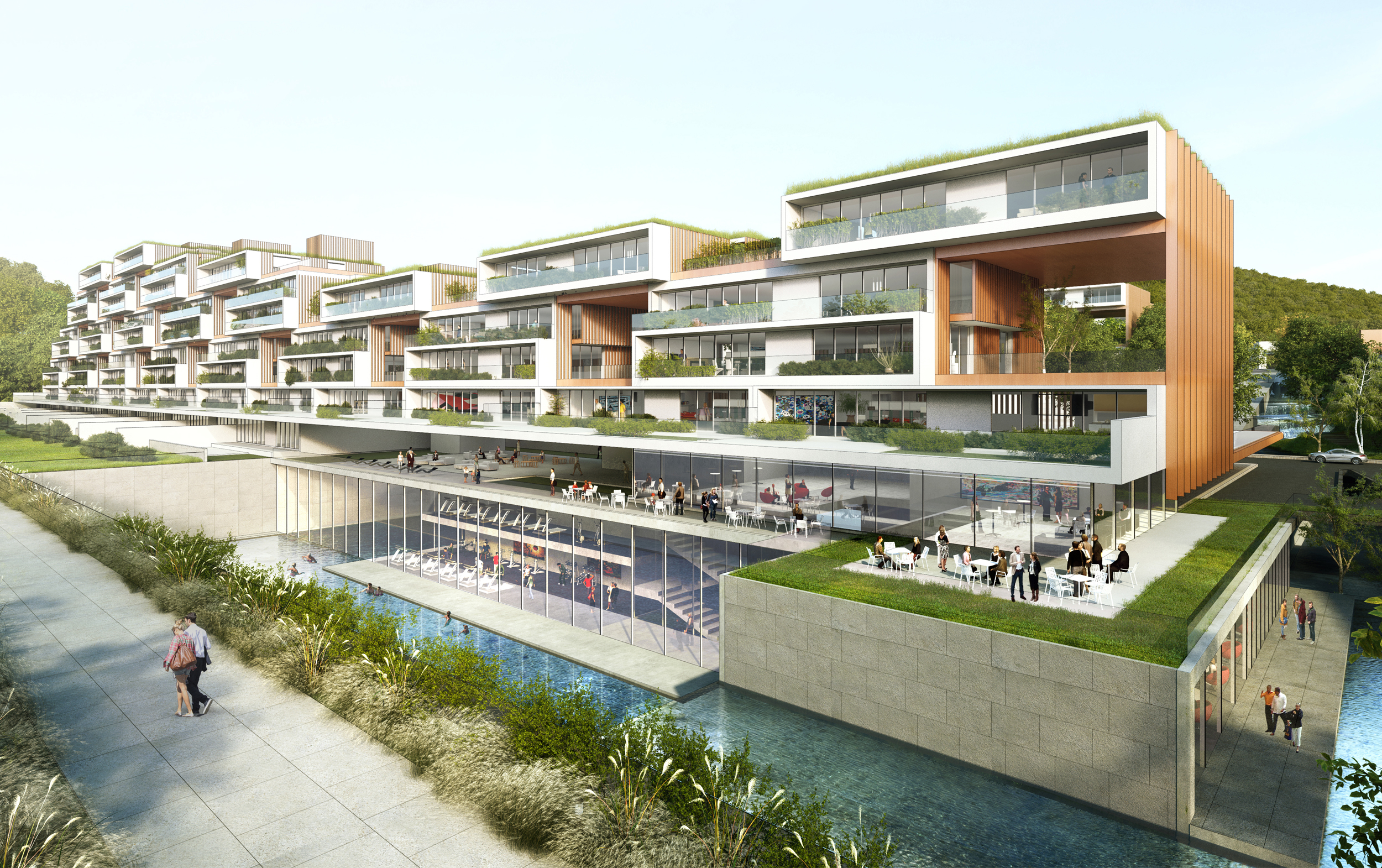
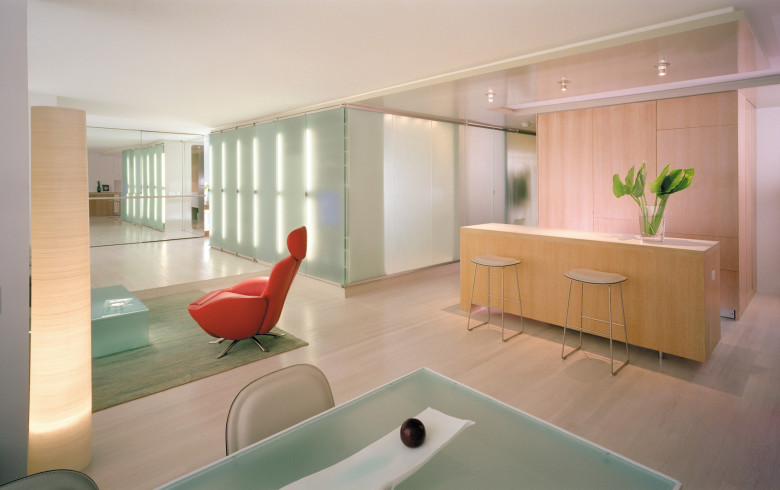
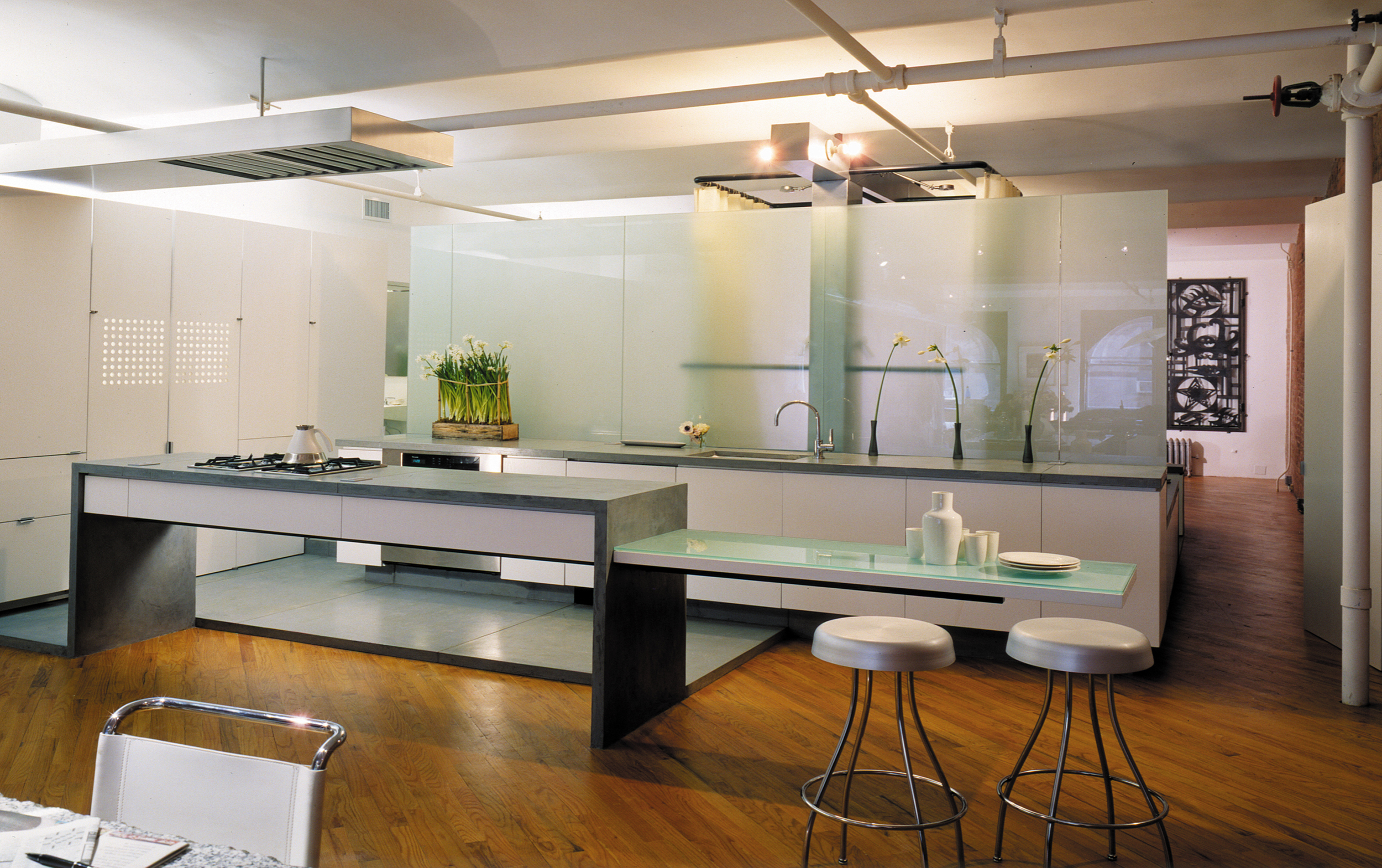
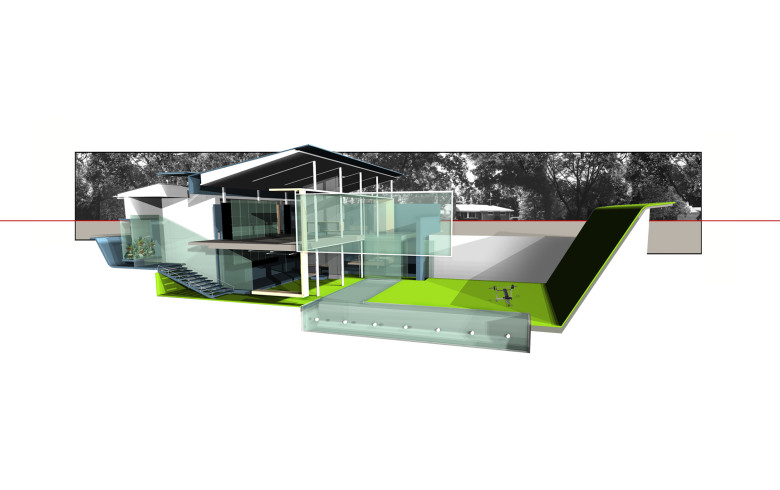
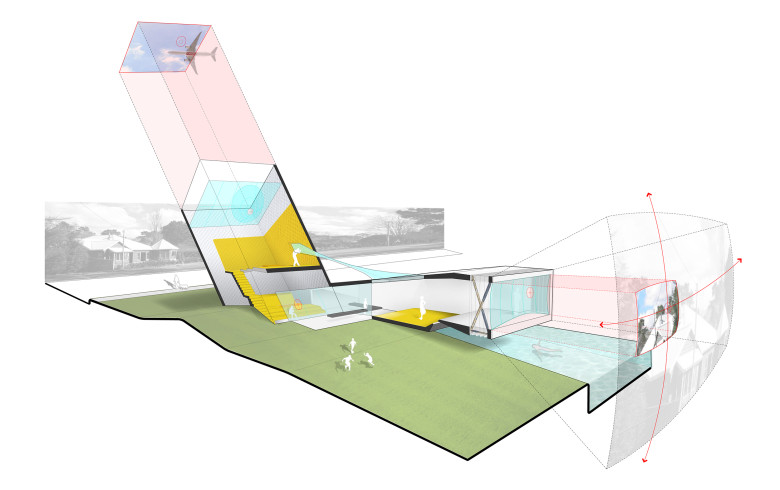
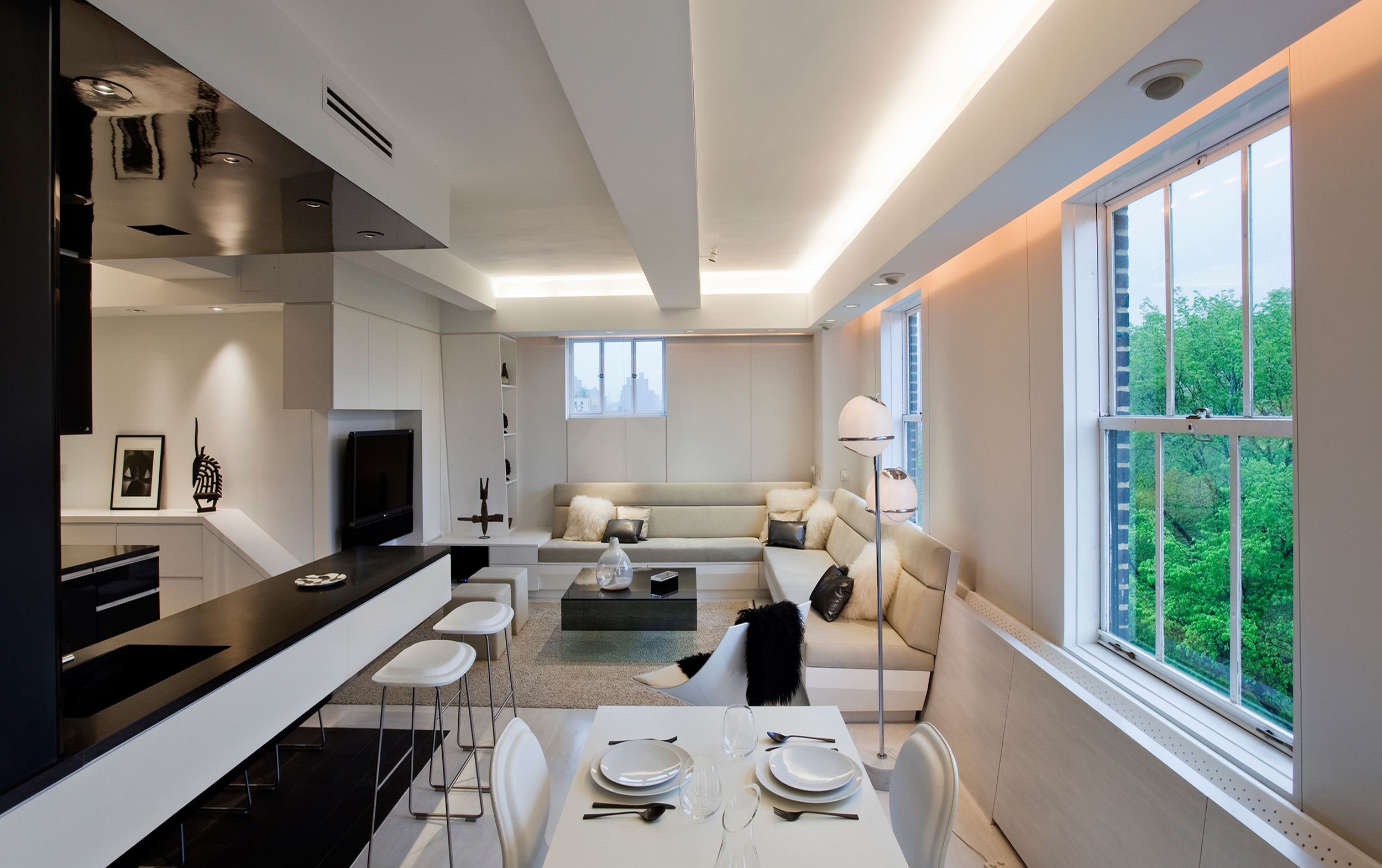
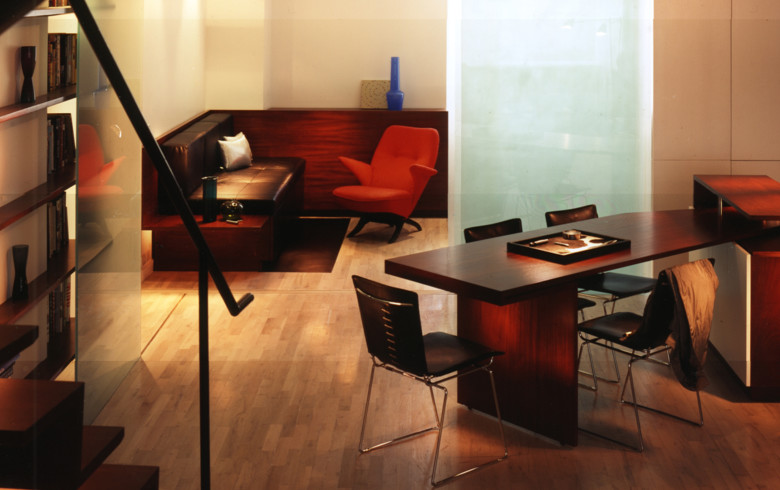
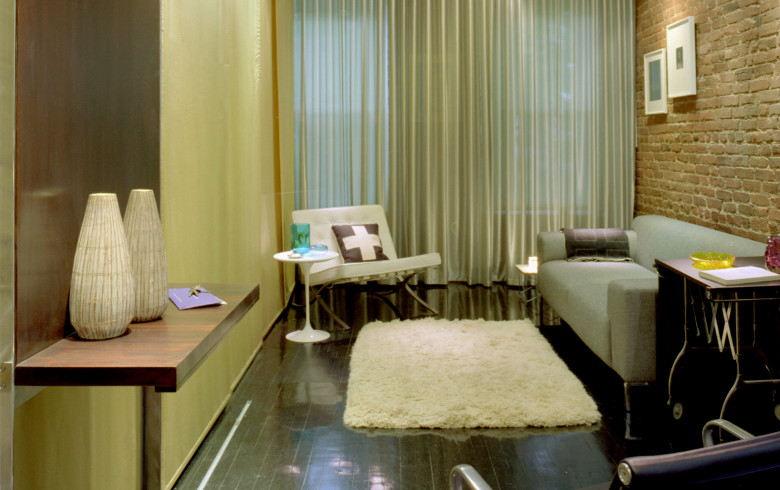
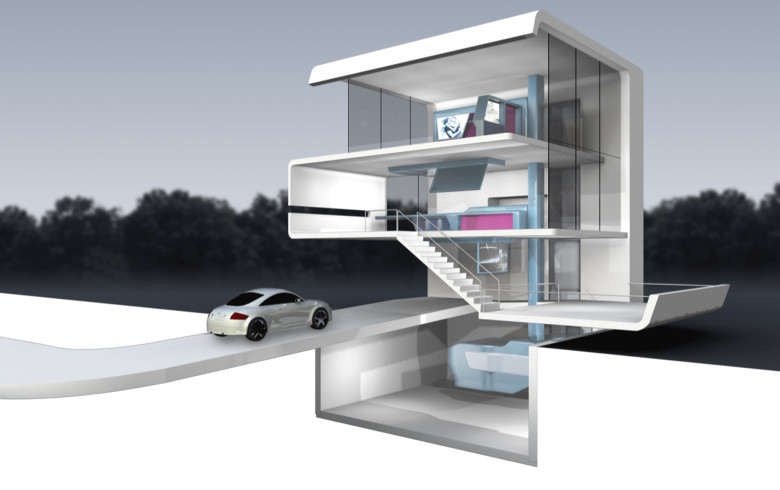
We design award-winning residential environments across a range of scales—from urban apartment and loft renovations to freestanding houses and multi-family housing—shaped by two interrelated forces transforming domestic life today: human diversity and remote work.
Human Diversity and Remote Work
The home is no longer a static container for a singular household type, but a dynamic, multi-purpose environment shaped by diverse bodies, identities, lifestyles, and modes of living and working. Today’s homes must support singles, roommates, single parents, queer families, and aging populations—often accommodating overlapping domestic and professional roles within the same space. As digital technologies dissolve the boundaries between living and working, we design environments that are as adaptable and plural as the people who inhabit them.
Ergotectonics
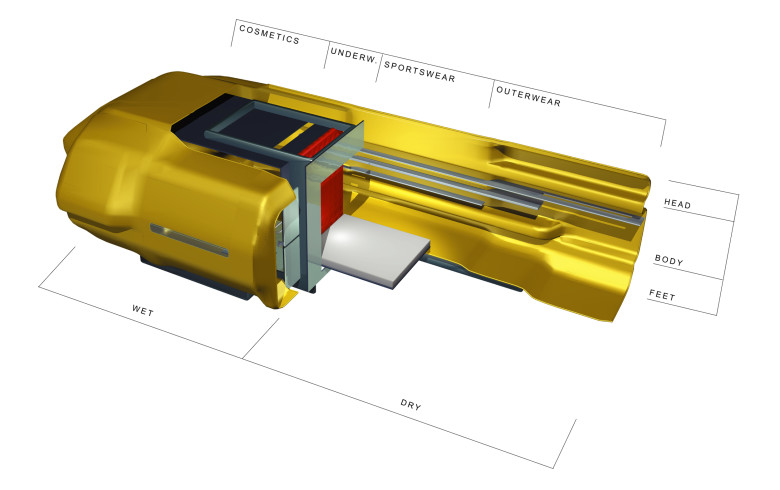
In response, we developed Ergotectonics, a set of design principles that prioritizes ergonomics by designing for a wide range of bodies and abilities, considering variables such as age (children, adults, elderly), body types (height, weight), disability (mobility and sensory), gender (including trans and nonbinary identities), and neurodiversity.
Through calibrated dimensions, ranges of motion, and material strategies, our spaces support multiple uses over time: durable, waterproof surfaces for working, cooking, and dining; soft, resilient zones for lounging, sleeping, and socializing; and integrated storage and wet areas that accommodate everyday bodily and domestic needs. The result is a highly adaptable environment that enables occupants to shift seamlessly between personal and professional activities over the course of a day.
Architecture, Interiors, Landscape
We reject the conventional separation of architecture, interiors, and landscape. Instead, we treat them as an integrated, flexible system—combining hard, durable materials with soft, tactile, and organic elements—to produce cohesive domestic environments that promote indoor/outdoor connectivity, health, and well-being.
Recognition
Our residential work has received awards from the AIA, Interior Design Magazine, and the International Property Awards, and is included in the permanent collections of MoMA, SFMOMA, the Art Institute of Chicago, the Carnegie Museum of Art, and the Yale University Archives. Our research has been published in PIN-UP, Harvard Design Magazine, and Inside Space: Experiments in Redefining Rooms (MIT Press).