Museums + Galleries
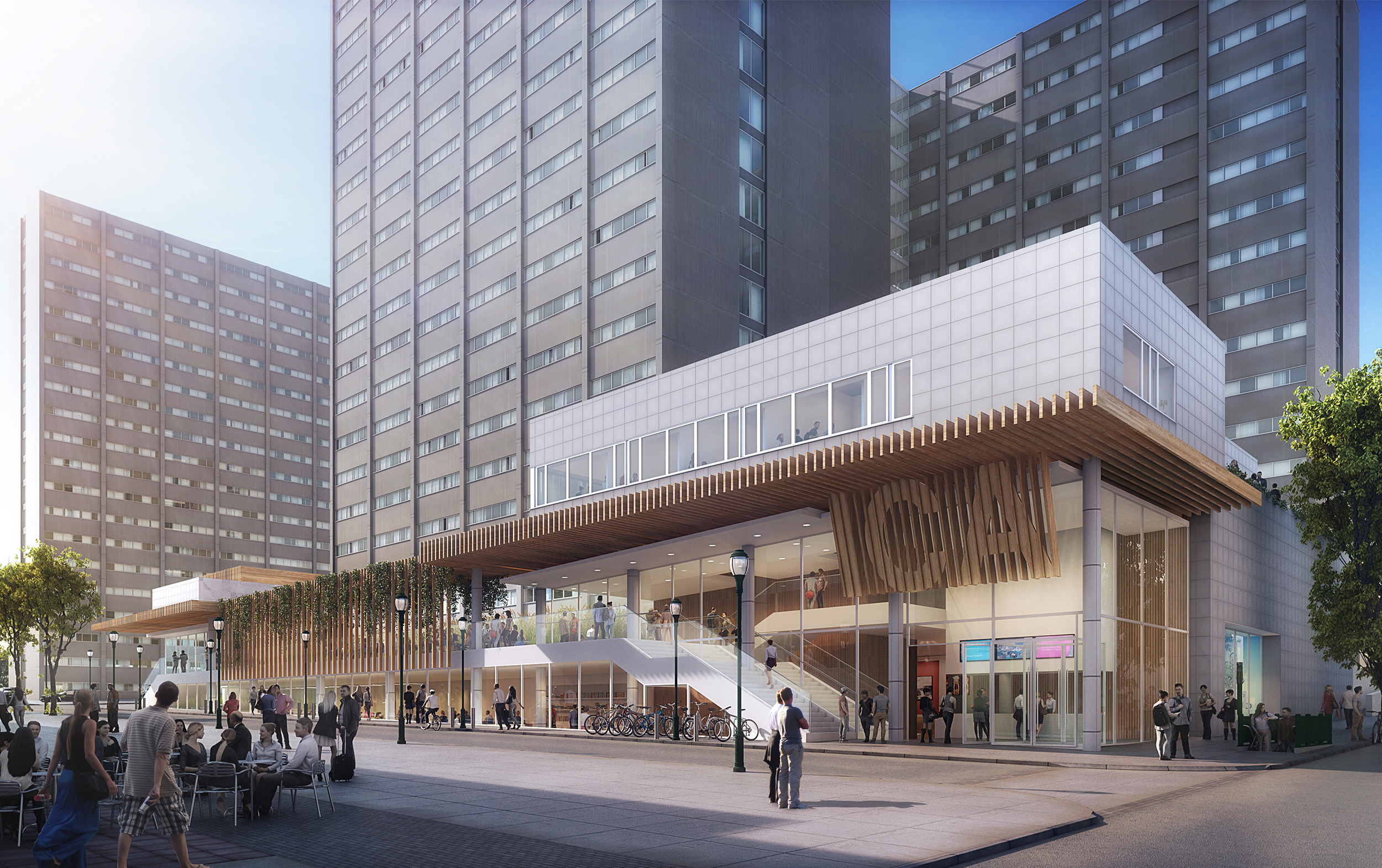
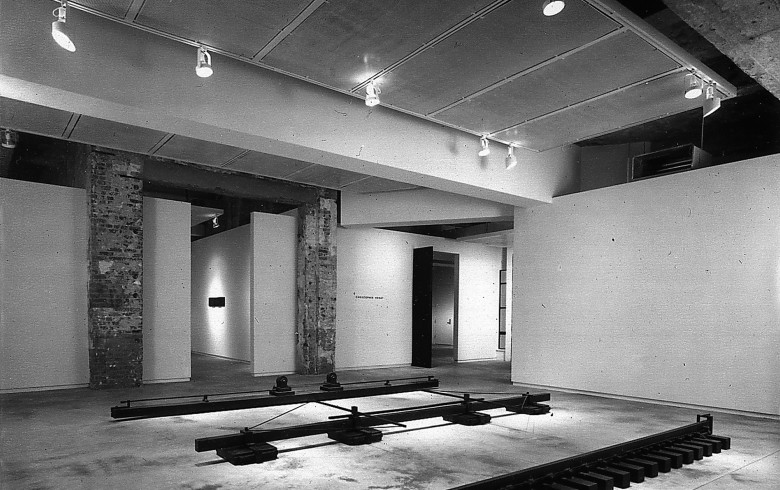
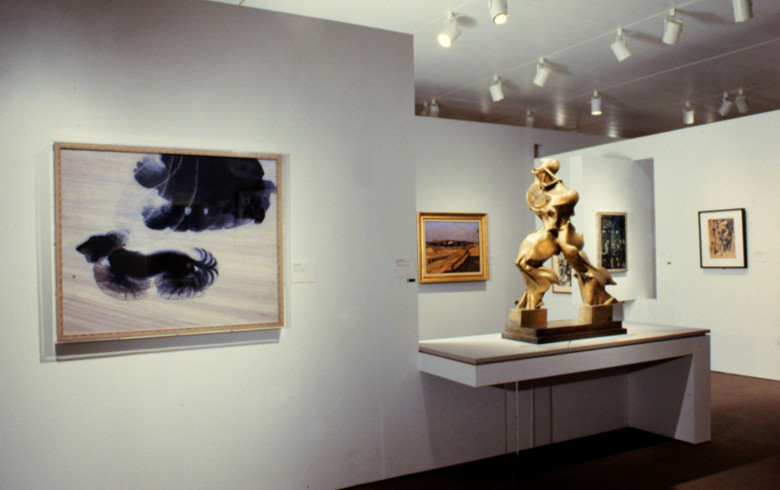
As designers and inclusive design consultants, we lead or join project teams to develop accessibility assessments, guidelines, exhibition designs, and built projects (renovations/expansions) for museums and galleries across a range of scales. Our work is unified by a central goal: creating accessible and welcoming cultural environments that foster belonging, participation, and social interaction for diverse publics.
Multi-modal / Multi-sensory
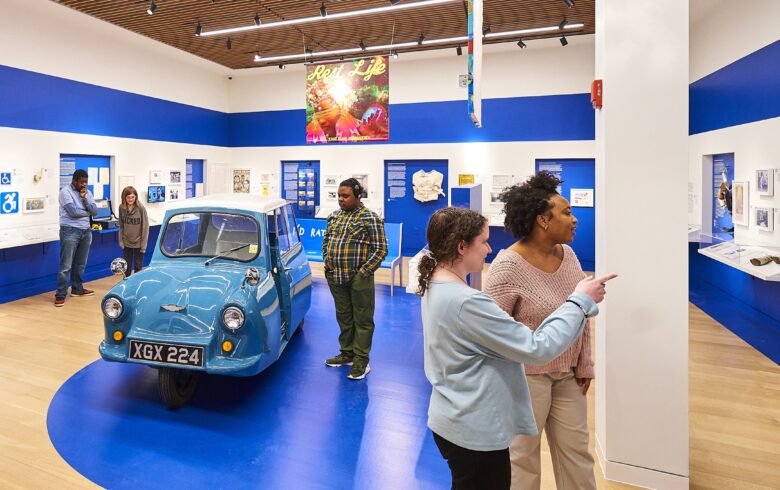
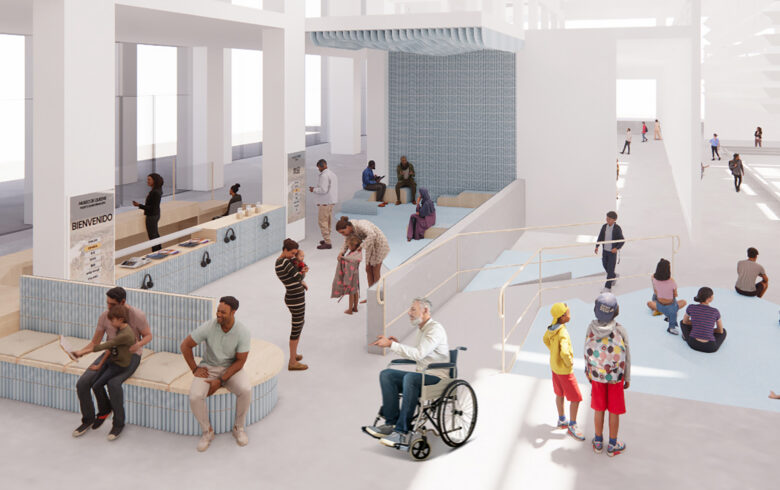
Our approach addresses the spatial dimensions of access—transforming galleries and key public spaces (entries, reception areas, lounges, circulation, and restrooms) that shape the visitor experience into environments that support multiple, multi-sensory ways of seeing, moving, and engaging with art and artifacts.
We think holistically about the many types of information that visitors receive, from practical information (wayfinding, what’s on, accessibility resources) to curatorial content delivered through analog and digital formats (signage, brochures, websites, and apps), as well as through human interaction (guards and ambassadors). Drawing on research across architecture, interiors, exhibition design, graphics, and landscape, we develop adaptable strategies that create equitable and welcoming museum experiences.
Accessibility Beyond Compliance: MIXmuseum Toolkit
We help museums move beyond minimum accessibility standards to engage the full diversity of their audiences across age, gender, race and ethnicity, religion, and disability. Our work addresses not only physical access, but also sensory, cognitive, and social dimensions of inclusion.
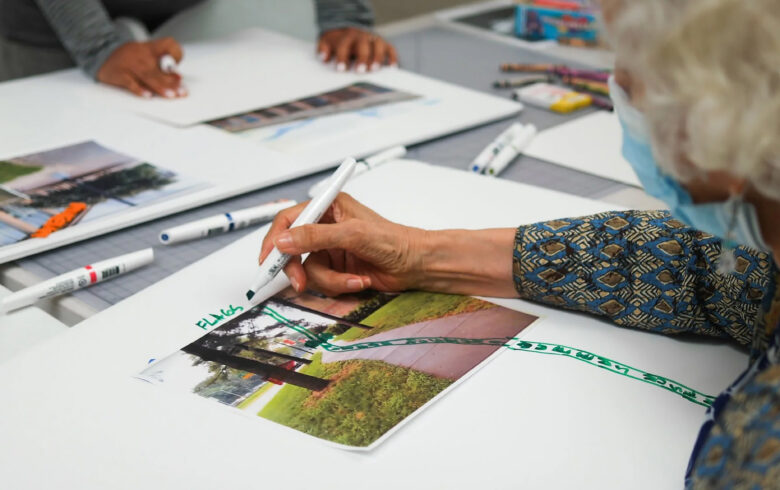
In 2018, we launched the MIXmuseum initiative to address a persistent gap in museum design: the lack of spatial strategies that support belonging beyond conventional accessibility guidelines. With support from the IMLS and NEA, we developed the MIXmuseum Toolkit—a set of generalizable design recommendations that can be adapted across institutions of different sizes and types. These strategies, published in Making Inclusive Museums Now, provide practical guidance for transforming museum environments into inclusive, socially responsive spaces.
MIXmuseum Network
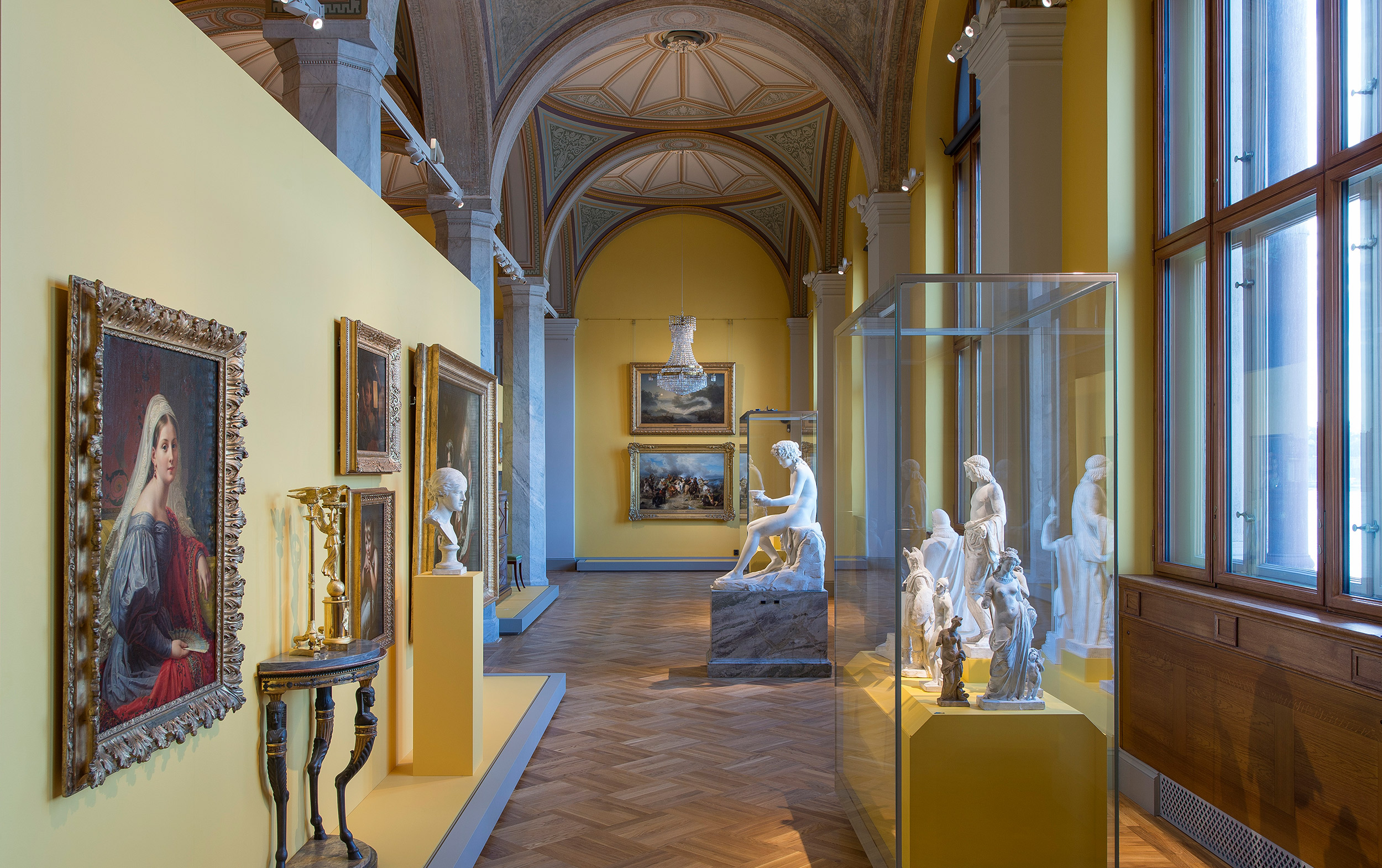
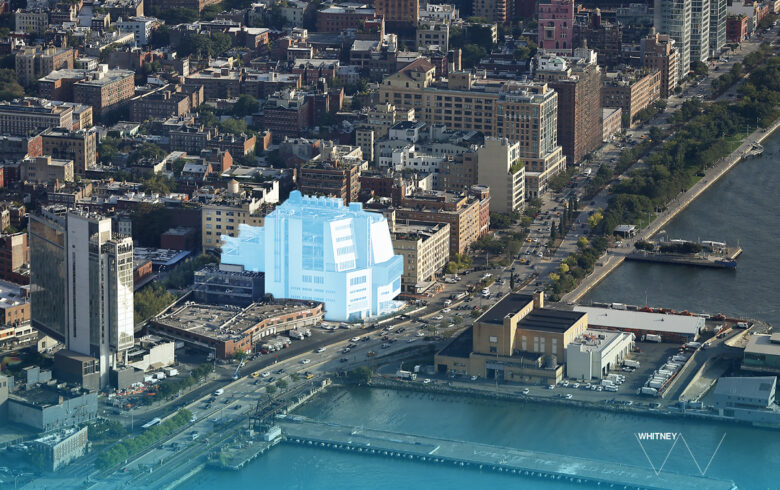
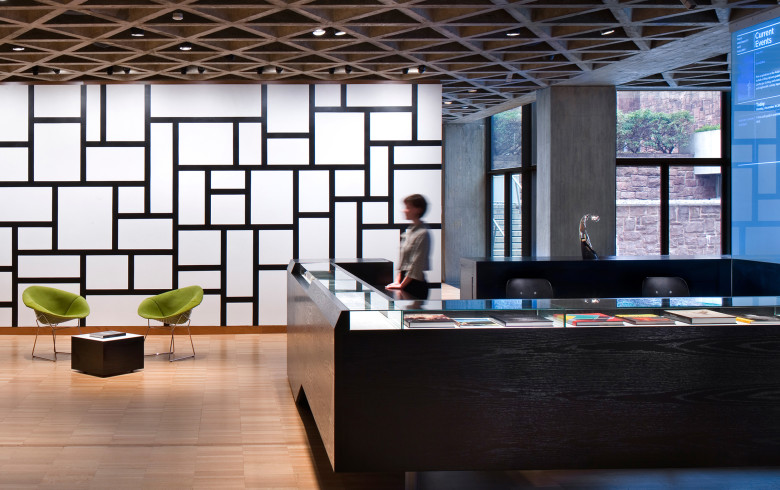
The Toolkit was developed in collaboration with a broad network of national and international museum partners, including the Queens Museum, Whitney Museum, Brooklyn Museum, Cooper Hewitt Smithsonian Design Museum, Yale University Art Gallery, and Nationalmuseum Stockholm.
We also work closely with advocacy and leadership organizations such as the Center for Curatorial Leadership, the Museum, Arts and Culture Access Consortium, and the DisOrdinary Architecture Project, ensuring that our work is informed by diverse perspectives and institutional contexts.
Recognition
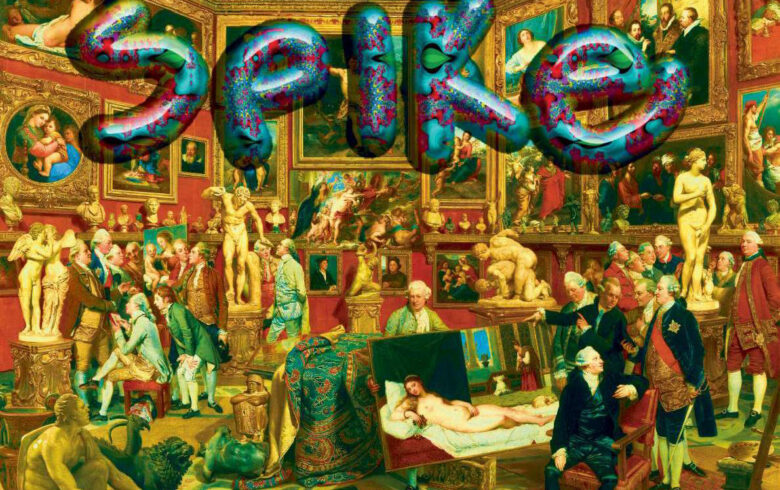
Our museum and gallery projects have received awards from the AIA and Interior Design Magazine, as well as grants from NYSCA, NEA, and IMLS. Our writing has been published in books such as Interiors (Sternberg Press) and in journals including Artforum, Spike, and PIN-UP.
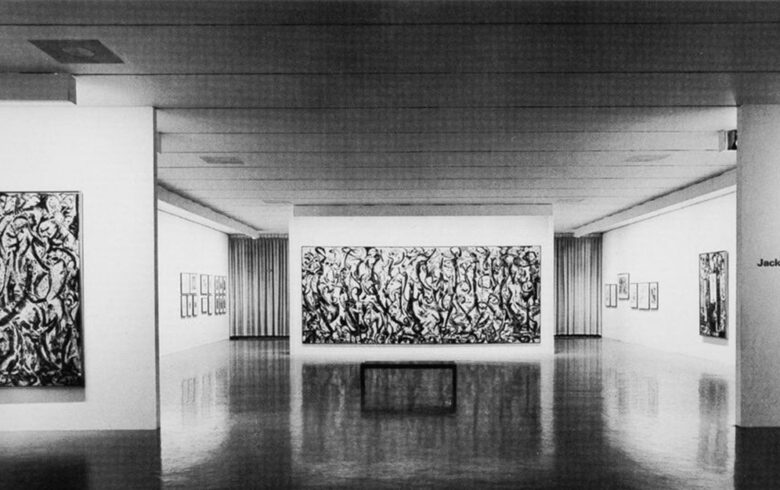
Our influential article, “An Aesthetic Headache: Notes on the Museum Bench,” co-authored with Diana Fuss, traces the history of the museum bench as an overlooked element that reveals the institution’s ambivalence toward the viewer’s corporeal body. This work was revisited in “Look, Linger, and Touch Something,” published in Spike (Spring 2023).